Craniotomy Surgery
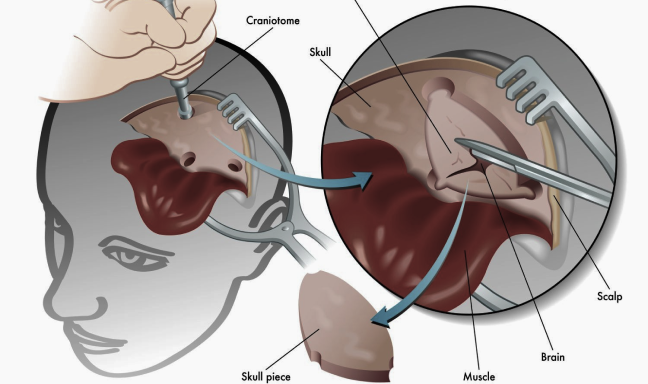
Craniotomy is a surgical procedure involving the temporary removal of a part of the skull (bone flap) to access the brain for treatment. The bone flap is replaced after the surgery. This procedure is commonly performed for brain tumor removal, aneurysm repair, trauma, or other brain conditions.
Types of Craniotomy Surgery
1. Emergency Craniotomy
-
 Performed immediately in cases of severe head trauma, brain hemorrhage, or swelling.
2. Awake Craniotomy
-
Conducted while the patient is conscious to monitor brain function during surgery. It is often used for surgeries near critical brain areas controlling speech or movement.
3. Stereotactic Craniotomy
-
Uses imaging technology like MRI or CT scans for precise navigation during minimally invasive surgery.
4. Extended Craniotomy
-
Performed for large or complex brain tumors, involving removal of additional skull areas to enhance access.
5. Endoscopic Craniotomy
-
Minimally invasive procedure using an endoscope inserted through a small incision to treat conditions like pituitary tumors.
Who Needs a Craniotomy?
Craniotomy surgery is required for patients diagnosed with:
-
Brain tumors (benign or malignant).
-
Traumatic brain injuries or skull fractures.
-
Aneurysms or arteriovenous malformations (AVMs).
-
Brain abscesses or infections.
-
Hydrocephalus (fluid accumulation in the brain).
-
Epilepsy requiring surgical intervention.
-
Intracranial hemorrhages or strokes.
Investigations Required
Before undergoing a craniotomy, the following tests and evaluations are performed:
-
MRI or CT Scans: To identify the location and size of the issue.
-
Angiography: To assess blood vessel abnormalities
-
Blood Tests: To evaluate overall health and detect any underlying issues.
-
Neurological Examination:' To assess brain and nervous system function.
Line of Treatment
-
The patient is administered general anesthesia (except for awake craniotomies).
-
The head is positioned and stabilized for the procedure.
-
The surgeon makes an incision in the scalp and removes a portion of the skull (bone flap).
-
The brain is accessed to treat the specific condition (e.g., removing a tumor, repairing blood vessels, or draining fluid).
-
After the procedure, the bone flap is replaced and secured with plates and screws.
-
The patient is closely monitored in the ICU for a few days to ensure stability and detect any complications.
1. Preparation
2. Surgical Procedure
3. Post-Surgery
Hospital Stay
Patients typically stay in the hospital for 5 to 10 days after a craniotomy. The duration depends on the complexity of the surgery and the patient's recovery progress.
Success Rate
The success rate of craniotomy surgery depends on the underlying condition but is generally high, ranging between 85% and 95%. The rate may vary based on the severity of the condition and the patient's overall health.
Risks Associated with Craniotomy
While craniotomy surgery is generally safe, potential risks include:
-
Infections: Particularly at the surgical site or within the brain.
-
Bleeding or Hemorrhage: During or after surgery.
-
Neurological Complications: Temporary or permanent changes in brain function.
-
Seizures: May occur post-surgery.
-
Brain Swelling: Resulting in pressure-related complications.
-
Adverse Reactions to Anesthesia: Rare but possible.
Post-Operative Care
-
Monitoring: Regular follow-up visits with the neurosurgeon to evaluate healing and recovery.
-
Wound Care: Keep the incision site clean and dry. Follow the surgeon’s instructions for dressing changes.
-
Medications: Pain relievers, anti-seizure medications, and antibiotics as prescribed.
-
Activity Restrictions: Avoid heavy lifting, strenuous activities, and driving until cleared by the doctor.
-
Diet and Hydration: Maintain a balanced diet and stay hydrated to promote recovery.
-
Physical Therapy:' Rehabilitation may be needed to restore neurological function, depending on the condition treated.
-
Signs to Watch:' Report symptoms such as severe headaches, nausea, fever, or unusual swelling immediately.
Universelle Medicaid Craniotomy Surgery in India
India has become a global hub for advanced neurosurgical procedures like craniotomy, offering state-of-the-art technology, experienced surgeons, and affordable costs. Universelle Medicaid partners with top hospitals to ensure high-quality care tailored to the needs of international and domestic patients.
Craniotomy Surgery Costs in India
| Treatment | Cost Start From ($) | Hospital Stay |
|---|---|---|
| Craniotomy Surgery | 5000-8000 | 5-10 Days |
| Brain Tumor Removal | 6000-9000 | 7-10 Days |
| Aneurysm Repair Surgery | 7000-10000 | 7-12 Days |
Why Choose Universelle Medicaid?
-
Expert Neurosurgeons: Highly skilled specialists with years of experience.
-
Advanced Technology:Access to the latest surgical tools and imaging systems.
-
Comprehensive Care: Personalized support during pre-operative and post-operative stages.
-
Cost-Effective: High-quality treatment at competitive prices compared to Western countries.
Contact Universelle Medicaid today to learn more about cranioplasty and other neurosurgical treatments in India.
TREATMENTS
Neurosurgery treatment

Brain Tumor Removal Surgery
Brain tumor removal surgery involves the excision of abnormal growths in the brain...
More Information
Brain Tumor Removal Surgery
Brain tumor removal surgery involves the excision of abnormal growths in the brain...
More InformationDoctors
Our Specialist Doctors




Dr. Shashank Chaudhary
Surgical Oncology, Cancer Care
 MBBS, MS, M.CH
 12+ yrs.
Dr. Vijayant Devenraj
Cardiac Surgery (CTVS), Thoracic
MBBS, DNB, M,CH
18+ yrs.

Dr. PrasoonKant Shamshery
Orthopaedics & Joint Replacement
MBBS, MS, MRCS, MNAMS
27+ yrs.


Dr. Vikas Singla
Senior Director & Head – Gastroenterology (Pancreatic-Biliary, Luminal Gastroenterology & Endoscopy Division)
16+ yrs.
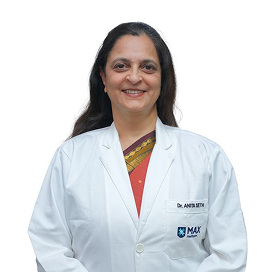
Dr. Anita Sethi
Principal Director & HOD - Ophthalmology (Max Panchsheel & Max Saket)
25+ yrs.
Book Appointment
Complete the form below to schedule your appointment.
Begin Your Health Treatment Journey with Us
By utilizing our services, you'll find it easier to improve your well-being and feel better.
Consult Now